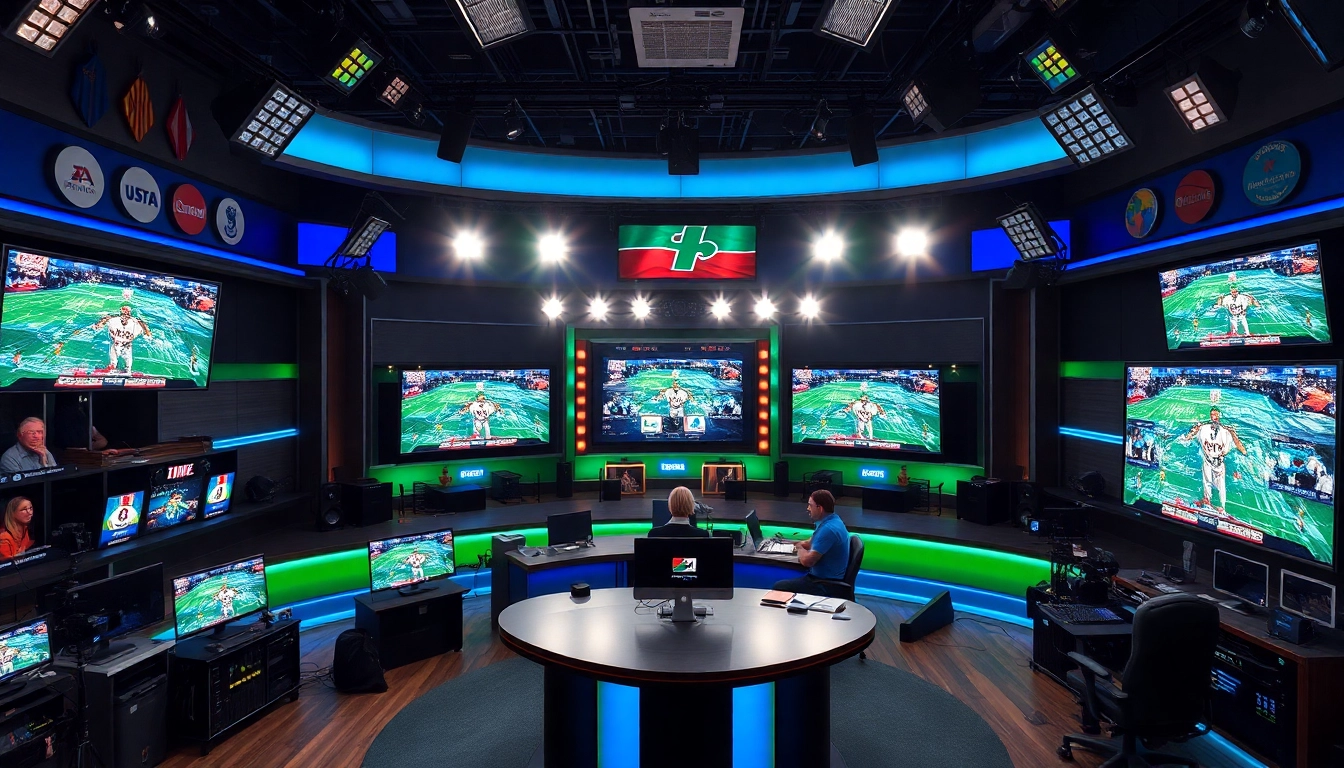
Understanding the Basics of Sports Broadcasting
What is Sports Broadcasting?
Sports broadcasting is the distribution of sports content through various media platforms, including radio, television, and the internet. It connects fans with their favorite teams and events, providing real-time coverage and analysis. The dynamic nature of sports broadcasting showcases the thrill of competition, allowing audiences to experience the excitement from anywhere. Nowadays, Sports Broadcasting encompasses a broad array of platforms, including traditional cable networks and digital streaming services, adapting to the evolving consumption habits of sports fans.
Key Elements of Sports Broadcasting
Successful sports broadcasting relies on several key elements:
- Live Coverage: Live events allow audiences to experience thrills in real-time.
- Commentary: Professional commentators provide insights, enhancing viewer understanding and engagement.
- Visuals: High-quality video feeds and graphics captivate viewers, making the experience immersive and enjoyable.
- Analysis: In-depth analysis and expert opinions help fans comprehend strategies and decisions.
- Interactive Elements: Options such as polls and social media interactions deepen audience engagement.
Types of Sports Broadcasting
Sports broadcasting can be categorized into several types, each offering unique viewer experiences:
- Live Broadcasts: These are real-time broadcasts of sporting events, often featuring commentary and updates.
- Highlights Shows: Focus on key moments from games, summarizing performances and significant plays.
- Analysis Shows: These offer expert discussions, dissecting strategies and performance metrics post-event.
- Documentaries: Providing in-depth looks at teams, athletes, or sports history, often including interviews and archival footage.
- Online Streaming: Accessible platforms for live games or recorded events, facilitating on-demand viewing.
Technological Advancements in Sports Broadcasting
Impact of Streaming Services on Sports Broadcasting
With the rise of digital platforms, streaming services have transformed sports broadcasting. These platforms allow fans to watch events on various devices, breaking away from traditional cable restrictions. Services like live streaming provide unique possibilities, such as multi-angle views and personalized viewing experiences. They enable fans to choose their favorite commentators and even watch games on demand, thus catering to diverse audience preferences.
Innovative Equipment for Quality Transmission
The evolution of technology has led to significant upgrades in broadcasting equipment. High-definition cameras enhance picture quality, while drones provide aerial views of events. Additionally, remote production technologies allow broadcasters to operate from different locations without compromising quality. These innovations ensure a richer and more engaging viewing experience for fans.
Utilizing Virtual Reality in Sports Broadcasting
Virtual reality (VR) is emerging in sports broadcasting, offering viewers an immersive experience unparalleled by traditional media. Fans equipped with VR headsets can feel like they're in the stadium, experiencing the game from the player's perspective or even interacting with virtual representations of athletes. This technology not only enhances engagement but also appeals to a younger, tech-savvy audience.
Creating Compelling Content for Sports Broadcasting
Developing Engaging Storylines
Compelling narratives are vital for successful sports broadcasting. Storylines that feature rivalries, personal challenges, and historical contexts deepen viewer connections. Broadcasters should highlight player journeys, team dynamics, and overarching themes throughout the season to build suspense and foster emotional investment from fans.
Incorporating Audience Interaction
Integrating audience feedback and interaction is crucial for modern sports broadcasting. Polls, social media integration, and interactive features can enhance viewer participation and establish a sense of community. Encouraging fans to share their thoughts during broadcasts—be it through hashtags, live chats, or other means—can foster a more engaged and loyal audience base.
Tips for Effective Commentary
Effective commentary is essential for enriching the viewer's experience. Commentators should maintain a balanced mix of analysis and emotion, responding to the action in real time. Familiarity with the teams, players, and strategies enhances credibility. Additionally, using analytical tools and visuals can help viewers understand complex plays and tactics.
Challenges in Sports Broadcasting
Managing Legal and Copyright Issues
Legal challenges are prevalent in sports broadcasting, especially regarding broadcasting rights. Ensuring legal compliance when covering events can be complex and often involves negotiations with leagues and organizations. Broadcasters must stay updated on legislation and trends in rights agreements to avoid potential legal issues and penalties.
Dealing with Technical Difficulties
Technical issues can disrupt broadcasts, impacting audience experience. To mitigate this, broadcasters should implement robust contingency plans, invest in reliable technology, and conduct thorough equipment checks. Training staff to manage unexpected issues swiftly can also minimize downtime and ensure seamless coverage.
Understanding Viewership Trends
Keeping track of viewership trends is crucial for content creators to capture audience preferences and adapt effectively. Analytics tools can reveal viewer demographics, peak viewing times, and engagement levels. This data can inform future broadcasting strategies, ensuring content remains relevant and appealing.
Measuring Success in Sports Broadcasting
Key Performance Indicators for Sports Broadcasting
To gauge the effectiveness of broadcasting efforts, several key performance indicators (KPIs) are essential, such as viewer numbers, audience retention, and engagement metrics. These KPIs provide insights into content effectiveness, guiding strategic decisions for improvement and growth.
Analyzing Viewer Feedback
Viewer feedback provides invaluable insights into audience sentiment and preferences. Engaging with your audience through surveys, social media interactions, and direct communication can help gather feedback. Understanding viewer satisfaction and areas for improvement is vital for enhancing future broadcasts.
Adapting Strategies Based on Metrics
Based on the insights gained from KPIs and feedback, broadcasters must remain agile in their strategies. Continuous adjustments based on viewer preferences ensure the relevance of content. Embracing flexibility and innovation paves the way for success in a rapidly evolving broadcasting landscape.
Frequently Asked Questions
What platforms are best for sports broadcasting?
Popular platforms include cable TV, digital streaming services, and social media. Each platform caters to different audience segments, providing varied viewer experiences.
How has technology changed sports broadcasting?
Technology has introduced high-definition visuals, live streaming, and interactive features, enhancing viewer experience and engagement across platforms.
What are the challenges in sports broadcasting?
Key challenges include legal issues related to broadcasting rights, technical difficulties, and the need to adapt to changing viewer trends and preferences.
How is audience engagement measured?
Engagement is measured through viewership metrics, social media interactions, audience feedback, and retention rates, guiding strategic improvements.
What role does commentary play in sports broadcasting?
Commentary enhances viewer understanding and experience by analyzing plays, providing insights, and adding emotional depth to the viewing experience.