

Understanding pg soft: The Essence of Italian Dining
When it comes to experiencing authentic Italian cuisine, understanding the concept of pg soft is essential. It’s not merely about the individual dishes but the overall dining experience that encapsulates the essence of Italy. From the ambiance to the selection of ingredients, every facet is meticulously curated to create a memorable meal. This article dives deep into the attributes that define authentic Italian dining, taking you on a culinary journey through various aspects, including history, ingredients, pricing strategies, and dining experiences.
What is pg soft in the Context of Italian Cuisine?
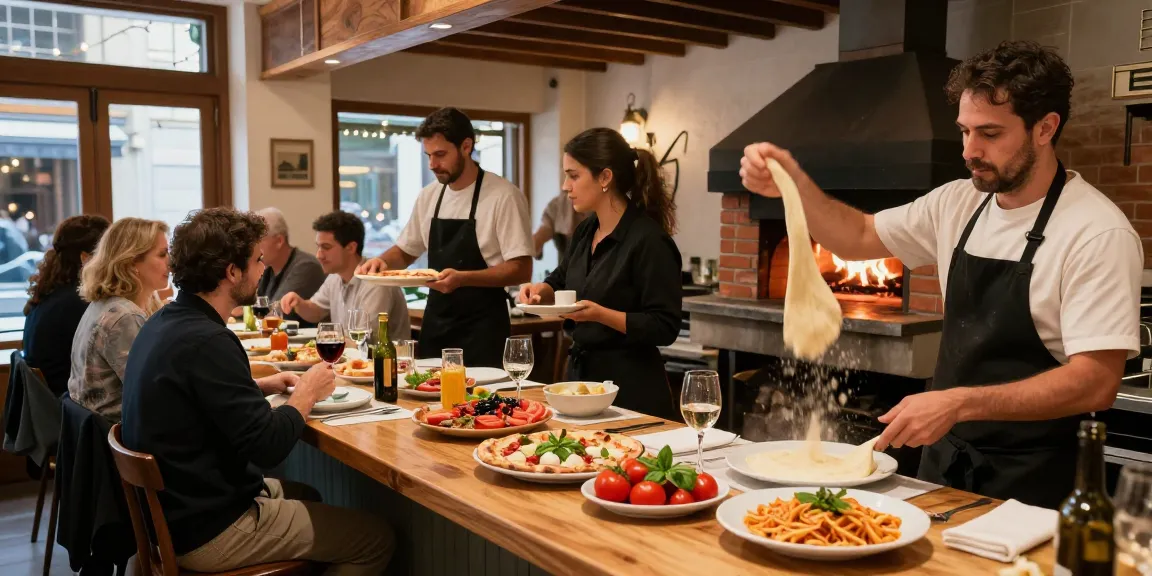
In the realm of Italian dining, pg soft refers to the harmonious blend of pizza, pasta, and wine, which form the trifecta of a traditional Italian meal. The term encapsulates not just the food items but the cultural significance they hold within the Italian culinary landscape. Each component, from a classic Margherita pizza to a handmade pasta dish paired with a robust Chianti, embodies the richness of Italian culinary traditions.
The Historical Roots of Italian Dining
Italian dining has evolved over centuries, influenced by various regions and their unique ingredients. The roots of Italian cuisine can be traced back to ancient Roman times, where communal meals were a source of societal bonding. Over the years, these meals have transformed into the structured courses we recognize today, starting from antipasti to elaborate desserts. Understanding this history allows diners to appreciate their meals on a deeper level, making each bite a connection to centuries of tradition.
Ingredient Breakdown: What You Get for Your Money
Every great Italian restaurant prides itself on the quality of its ingredients. The freshness and authenticity of these ingredients often dictate the overall dining experience and value for money. When exploring options, pg soft provides comprehensive insights into what to expect regarding ingredient quality and sourcing practices.
Key Ingredients of Authentic Italian Dishes
True Italian cuisine relies heavily on a few key ingredients:
- Tomatoes: San Marzano tomatoes are the gold standard for sauces and pizzas.
- Flour: Tipo ’00‘ flour is preferred for making high-quality pizza and pasta.
- Olive Oil: Extra virgin olive oil is essential for dressings and finishing dishes.
- Cheese: Mozzarella di bufala and Parmigiano-Reggiano elevate many dishes.
- Herbs: Fresh basil, oregano, and parsley provide essential flavor profiles.
Comparative Costs of Ingredients: Local vs. Imported
The debate over local versus imported ingredients is crucial in the context of Italian restaurants. While local produce can be fresher and support local economies, imported Italian ingredients often boast unique flavors that can’t be replicated. This balance between local and traditional imports plays a significant role in menu pricing and quality perception.
Understanding Seasonal Menu Offerings
Seasonality is another critical factor in authentic Italian dining. Many Italian restaurants change their menus based on what is fresh and available, allowing diners to enjoy dishes that celebrate the season. This not only enhances the flavor but also promotes sustainability and supports local farmers.
Pricing Strategies for Italian Restaurants
How a restaurant sets its prices involves a multifaceted approach. Understanding these strategies can help diners appreciate the value behind the meal they’re enjoying.
How Restaurants Set Prices for Dishes
Pricing is typically influenced by ingredient cost, preparation time, and even the restaurant’s ambiance. High-quality ingredients naturally lead to higher prices, but consumers often perceive greater value when they know the story behind each component, such as its origin and how it was sourced.
The Role of Location in Pricing
The geographical location of a restaurant significantly impacts its pricing strategy. Urban areas with a higher cost of living tend to charge more for the same dishes compared to rural settings. This pricing reflects not just ingredient costs but also market competition and demographics.
Consumer Trends: Willingness to Pay for Quality
Today’s diners are increasingly informed and willing to spend more on quality. There is a shift towards valuing the authenticity of ingredients and the skill involved in crafting dishes. This trend encourages restaurants to maintain transparency regarding their sourcing practices and ingredient quality.
Enhancing Your Dining Experience with pg soft
To make the most of your Italian dining experience, understanding how to enhance your meal goes beyond just choosing the right dishes.
Pairing Food and Wine: A Guide
Wine pairing is an art form in itself within Italian cuisine. A classic pairing involves matching the body and flavor intensity of the wine with the corresponding dish. For instance, a Chianti pairs beautifully with hearty pasta dishes, while a light Pinot Grigio complements seafood delicacies.
Exploring the Role of Antipasti in Italian Cuisine
Antipasti, or appetizers, play a pivotal role in Italian dining. They serve as a prelude to the meal, designed to stimulate the palate. Typical antipasti offerings include cured meats, cheeses, marinated vegetables, and bruschetta, each designed to be shared among the table, fostering a communal dining experience.
Creating a Memorable Dining Atmosphere
The ambiance of an Italian restaurant significantly impacts your dining experience. Elements such as decor, lighting, and even music contribute to an inviting atmosphere that enhances the flavors of the food. Many establishments focus on creating a rustic, home-like environment to replicate the feel of dining in Italy.
Future Trends in Italian Dining
As we look towards 2026, several trends are shaping the future of Italian cuisine.
Innovations in Italian Cuisine for 2026
Expect to see a blend of traditional Italian recipes with global influences, leading to innovative dishes that pay homage to Italian roots while embracing modern culinary trends. This fusion aims to attract a diverse customer base and keep the dining experience relevant.
Sustainability Practices in Italian Restaurants
More restaurants are adopting sustainable practices, focusing on organic ingredients and waste reduction. This is not just a trend but a necessary shift in response to consumer demand for eco-friendly dining options.
What to Expect in Italian Dining Experiences in the Coming Years
With technology becoming an integral part of the dining experience, expect restaurants to leverage digital menus, online ordering, and even AI-assisted food recommendations to enhance convenience and personalization in dining.
What are the Most Popular Italian Dishes?
While every region in Italy boasts its specialties, some dishes have achieved iconic status worldwide:
- Pasta Carbonara: A Roman classic known for its creamy sauce made from eggs, cheese, and pancetta.
- Wood-fired Pizza: Characterized by its thin crust and various topping combinations, its popularity remains unrivaled.
- Tiramisu: This layered dessert, with coffee-soaked ladyfingers and mascarpone cheese, has become synonymous with Italian dining.
How Do I Choose the Best Wine to Pair with My Meal?
Selecting the right wine is critical in elevating a meal. A good rule of thumb is to consider the primary flavors of the dish. For example, earthy dishes like mushroom risotto pair well with Pinot Noir, while tomato-based dishes shine with a Sangiovese.
What Makes Italian Dining Unique Compared to Other Cuisines?
Italian dining is characterized by its emphasis on communal meals, high-quality ingredients, and regional diversity. Unlike many cuisines that focus on complex flavors or elaborate techniques, Italian cuisine often celebrates simplicity, allowing the ingredient’s natural flavors to shine through.
